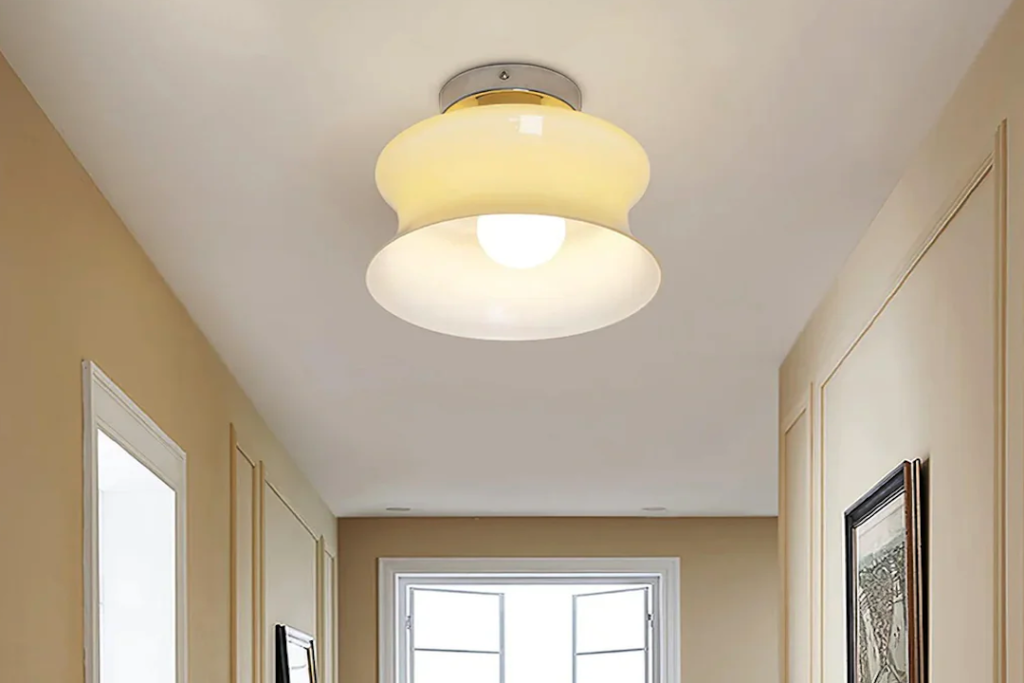
Thinking about adding a designer glass ceiling lamp to your home? It’s a great idea if you’re looking to bring a touch of elegance and unique lighting to a room. These aren’t just any light fixtures; they’re designed to be a focal point, adding both illumination and an artful touch. Let’s explore what makes them special and how you can make them work for your space.
When we talk about designer glass ceiling lamp Vuugu, we’re referring to light fixtures mounted directly to the ceiling that incorporate glass as a primary design element. This glass can come in a huge variety of forms, from hand-blown art glass with intricate patterns and colors to sleek, minimalist frosted or clear glass panels. The “designer” aspect means they go beyond basic functionality; they consider aesthetics, materials, and often, a unique form factor that sets them apart from standard, mass-produced options. They are designed to complement interior styles, whether it’s contemporary, transitional, or even a more traditional setting if the design leans that way.
What Distinguishes Them?
It’s the blend of artistry and engineering. A designer piece will often feature materials that are more refined or processed in a more intricate way. This could be the unique texture of the glass, the precision of the metalwork holding it, or the overall shape it takes. Think of it as the difference between a basic white t-shirt and a well-tailored silk blouse – both cover you, but one has a level of craftsmanship and material quality that makes it stand out.
Not Just a Light Source
These lamps are intended to be more than just a way to banish darkness. They actively contribute to the atmosphere and style of a room. The way light interacts with the glass – how it diffuses, reflects, or casts shadows – is a carefully considered part of the design. This means they can influence the mood of a space, making it feel more intimate, airy, or dramatic.
The Aesthetic Impact of Glass
Glass is a remarkable material when it comes to lighting. Its transparency, translucency, and ability to be shaped and colored offer immense possibilities for creating visually appealing light fixtures. Designer glass ceiling lamps leverage these properties to their full potential, transforming a simple lighting element into a decorative object.
Types of Glass Used
The type of glass used dramatically alters the lamp’s appearance and light output.
Hand-Blown Glass
This is often where the artistry truly shines. Each piece is individually shaped by a glassblower, resulting in unique variations in form, thickness, and texture. Colors can be swirled in, air bubbles intentionally trapped, or patterns etched onto the surface, creating a one-of-a-kind fixture. The light from a hand-blown glass lamp often has a soft, organic quality, scattering beautifully.
Frosted Glass
Frosted glass is treated to become opaque, diffusing light evenly and reducing glare. This results in a softer, more consistent illumination. It’s a classic choice for ceiling lamps because it provides a pleasant ambiance without harsh shadows. Designer versions might feature subtle textures or gradients within the frosting.
Clear Glass
Clear glass, whether smooth or textured (like bubbled, rippled, or patterned glass), allows light to pass through more directly. When used decoratively, it can create interesting light patterns on walls and ceilings. It’s a good choice if you want the light source itself to be visually prominent and admire the bulb’s design (consider using decorative LED bulbs).
Colored Glass
From subtle amber tints to vibrant blues and greens, colored glass can add a distinct personality to a room. The color can be solid, layered, or integrated into patterns. The light passing through colored glass will tint the surrounding area to some degree, influencing the overall color palette of the space.
Light Diffusion and Quality
The way glass interacts with light is central to its appeal.
Softening Harsh Light
Many designer glass ceiling lamps are designed to soften the often-harsh direct light of a ceiling fixture. The glass acts as a diffuser, scattering the light rays and creating a gentler, more inviting glow. This can make a room feel more comfortable and less like an operating room.
Creating Ambiance
The color and texture of the glass play a significant role in setting the mood. A lamp with warm-toned, translucent glass can create a cozy and intimate atmosphere, perfect for living rooms or bedrooms. Conversely, a clear glass fixture with intricate patterns might add a touch of sparkle and sophistication, suitable for dining areas or entryways.
Functional Considerations
Beyond their visual appeal, designer glass ceiling lamps need to be practical. You want a light that works well in its intended space and meets your lighting needs.
Placement and Scale
Where you put the lamp and its size relative to the room are crucial.
Maximizing Natural Light
If a room has a lot of natural light, your designer ceiling lamp might serve more as an accent or a feature for evenings. In darker spaces, it could be the primary light source, so its brightness and spread are more important.
Room Dimensions
For larger rooms, a single, oversized statement pendant or a multi-light fixture might be appropriate. In smaller spaces, a more compact flush-mount or semi-flush mount in glass can provide ample light without overwhelming the area. Consider the ceiling height as well: very low ceilings might necessitate flush mounts, while higher ceilings can accommodate more dramatic pendant styles.
Light Output and Brightness
The light output, measured in lumens, needs to be adequate for the room’s function.
Task vs. Ambient Lighting
Some designer lamps are primarily for ambient lighting – creating a general glow. Others are designed to provide more focused illumination, perhaps over a kitchen island or a reading nook. Check the lamp’s specifications to understand its lumen output and whether it’s dimmable, which offers great flexibility.
Bulb Type Compatibility
Many modern designer lamps use LED bulbs for energy efficiency and longevity. Some older or more artistic designs might accommodate traditional incandescent bulbs, which produce a warmer light. Ensure the type of bulb recommended (or compatible) fits your desired aesthetic.
Style Integration
A designer glass ceiling lamp isn’t just about the lamp itself; it’s about how it fits into your existing decor and enhances your personal style.
Complementing Your Interior Design
The lamp should harmonize with your room’s overall aesthetic.
Modern and Contemporary
Sleek, geometric designs with clear, frosted, or subtly colored glass often work well in modern and contemporary settings. Think clean lines and minimalist forms.
Transitional Styles
Transitional design bridges the gap between traditional and modern. A glass ceiling lamp with a more classic shape but updated materials, or one with a blend of traditional textures and modern finishes, can be a good fit.
Bohemian and Eclectic
For more free-spirited spaces, look for hand-blown glass with unique colors and organic shapes. These lamps can add a bohemian or eclectic touch, acting as conversation starters.
Creating a Focal Point
A well-chosen designer glass ceiling lamp can become the star of the show.
Drawing the Eye
The unique form, material, or color of the glass can naturally draw attention upwards, making it a central decorative element. This is especially true for pendants that hang lower or fixtures with intricate designs.
Enhancing Room’s Character
It can elevate a simple room into something more sophisticated or visually interesting. It’s a way to add personality and a touch of luxury without necessarily redecorating the entire space.
Installation and Maintenance
Once you’ve chosen your lamp, you’ll need to consider how to install it and keep it looking its best.
Professional vs. DIY Installation
Electrical work can be tricky and, frankly, dangerous if not done correctly.
When to Call an Electrician
If you’re not comfortable with electrical wiring, or if the installation involves altering existing wiring, it’s always best to hire a qualified electrician. They can ensure the fixture is safely and properly connected, and that it meets local building codes.
DIY Considerations
For straightforward replacements of existing fixtures, if you have a good understanding of basic electrical connections and safety precautions, DIY might be an option. Always turn off the power at the breaker box first, and follow the manufacturer’s instructions carefully.
Cleaning and Caring for Glass
Glass, while beautiful, can attract dust and fingerprints.
Routine Dusting
Regular dusting with a soft, dry microfiber cloth is usually sufficient for maintaining most glass surfaces.
Dealing with Smudges and Grime
For more stubborn marks or smudges, a glass cleaner is your best bet. Spray a small amount onto a soft cloth (not directly onto the fixture to avoid dripping onto electrical components) and wipe gently. Avoid abrasive cleaners or tools that could scratch the glass.
Specific Material Care
Some artistic glass finishes, like etched or textured glass, might require slightly gentler cleaning methods. Always refer to the manufacturer’s care instructions if available. For very delicate or valuable pieces, professional cleaning might be advisable.
By considering these aspects, selecting and integrating a designer glass ceiling lamp becomes a more manageable and rewarding process. It’s an investment in both light and style for your home.

More Posts
Modern Bedside Table Lamps: USB-Enabled Convenience
Modernize Your Living Room with Black Floor Lamps
Exquisite Gold-Leaf Ballroom Chandelier: A Luxe Touch