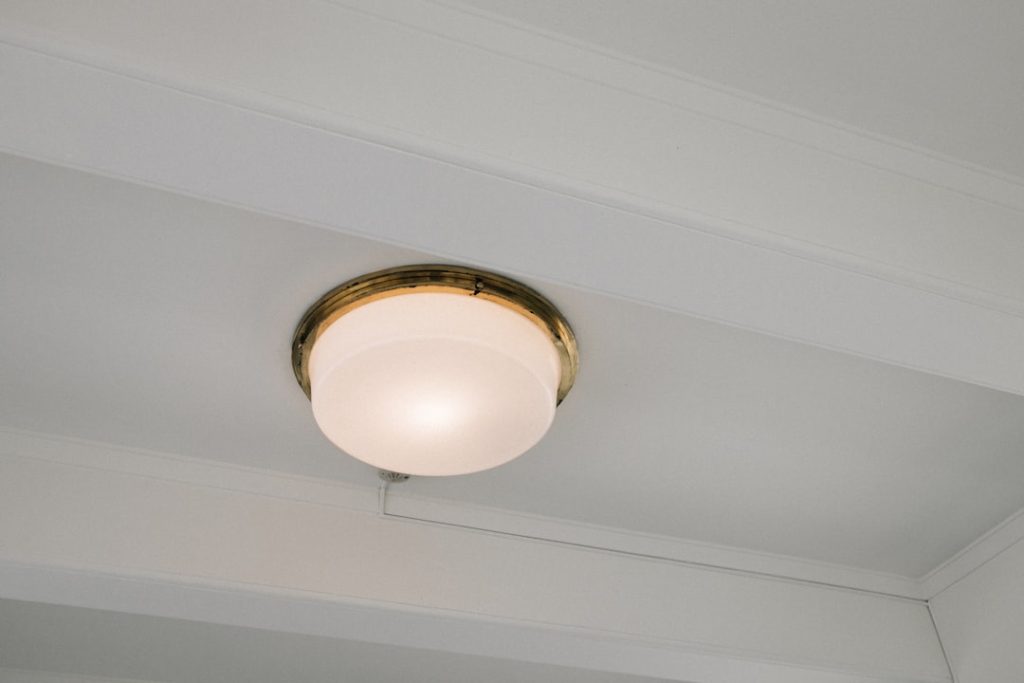
You’re thinking about updating your home lighting, and you’ve come across “minimal glass flush mount” fixtures. Great choice! These lights are fantastic for a clean, contemporary look without being over the top. In a nutshell, they’re ceiling lights that sit directly against the surface, often with a simple glass shade that doesn’t draw too much attention to itself. They’re perfect for spaces where you want light without a bulky fixture dominating the room.
What Exactly is a Minimal Glass Flush Mount?
Let’s break down what that term actually means in practice. It’s not just a fancy name for any light that sticks to the ceiling.
The “Flush Mount” Aspect
A flush mount fixture, by definition, is designed to mount directly to the ceiling or wall, with its base and shade sitting as close to the surface as possible.
- No Dangling: Unlike pendant lights or chandeliers, there’s no cord or chain that hangs down. This is a major practical advantage, especially in rooms with lower ceilings or high-traffic areas where you don’t want anything to bump into.
- Space Saver: Because they don’t protrude significantly, they create a sense of more space. This is particularly useful in smaller rooms like hallways, bathrooms, or closets.
- Safety First: In areas where there might be kids or pets, or just the general hazard of walking under something, flush mounts significantly reduce the risk of accidental bumps and falls.
The “Minimal Glass” Element
This is where the style comes in. “Minimal” suggests a design that’s understated and essential. “Glass” refers to the shade material.
- Understated Design: The emphasis is on clean lines and simple forms. You won’t find ornate detailing, elaborate metalwork, or busy patterns. The goal is to blend in, not stand out as a centerpiece.
- Material Focus: The glass shade is usually the primary visual element, but it’s presented in a way that’s clean and unadorned. Think smooth surfaces, clear or frosted finishes, and simple geometric shapes.
- Functionality Over Flash: While beautiful, the design prioritizes effective light distribution rather than being a statement piece. The glass serves to diffuse or direct light, fulfilling its primary purpose quietly.
Common Shapes and Sizes
When you look at minimal glass flush mounts, you’ll notice a pattern in their form.
- Circular Dominance: Round shapes are incredibly common. They offer a soft, approachable aesthetic and diffuse light evenly in all directions.
- Square and Rectangular Options: While less frequent than circles, square and rectangular flush mounts exist. These can offer a more graphic or structured look, fitting well with modern or minimalist interiors.
- Varying Diameters: Flush mounts come in a range of sizes, from small, discreet options for narrow hallways to larger, more substantial fixtures for living rooms or kitchens. The key is to match the fixture’s scale to the room’s size.
Why Minimal Glass Flush Mounts Work in Modern Homes
Modern design often values simplicity, functionality, and an uncluttered aesthetic. Minimal glass flush mounts fit this philosophy perfectly.
Alignment with Modern Design Principles
The core tenets of modern interior design are often about clean lines, natural materials (or materials that mimic them), and a focus on the functional.
- Sleek and Unfussy: Modern design actively avoids excessive ornamentation. A minimal glass flush mount embodies this by being devoid of unnecessary decorative elements. It’s simply a light source housed in a clean enclosure.
- Emphasis on Form and Light: In modern spaces, the interplay of form and light is crucial. A well-chosen flush mount can contribute to the overall architectural feel of a room, providing illumination without disrupting the visual flow.
- Neutral Palette Complementary: Many modern interiors favor neutral color palettes. Minimal glass flush mounts, with their simple forms and finishes, are exceptionally adaptable and don’t clash with dominant color schemes. They can be a subtle, functional addition rather than a visual interruption.
Versatility in Application
These fixtures aren’t limited to just one type of room. Their unobtrusive nature makes them suitable for a wide range of spaces.
- Hallways and Entryways: These are often the first impression of a home. A flush mount provides ample light without taking up valuable headroom, making the space feel more open and welcoming.
- Bedrooms: For those who prefer a calm, serene atmosphere, flush mounts offer soft, diffused light that’s not overpowering. They’re ideal as general room lighting.
- Kitchens and Bathrooms: The practical aspect of flush mounts is perfect for these functional areas. They provide consistent, bright light for tasks and are generally easy to clean, which is a big plus in kitchens and bathrooms.
- Closets and Laundry Rooms: Where space is often at a premium, flush mounts are an obvious solution. They offer essential lighting without encroaching on movement.
Creating a Cohesive Look
When you’re aiming for a specific design style, consistency is key. Minimal glass flush mounts can help stitch different areas of your home together visually.
- Unified Aesthetic: Using the same style of flush mount throughout a home, or even in adjoining rooms, creates a sense of flow and continuity. This can make a home feel more thoughtfully designed.
- Subtle Integration: The goal here isn’t for the lighting to be a focal point, but rather an integrated part of the architecture and decor. Minimal glass flush mounts achieve this by being subtle and functional.
- Beyond the Obvious: While pendant lights and chandeliers often get the spotlight (pun intended) in design magazines, flush mounts play a vital but often unsung role in creating an overall polished look.
Types of Minimal Glass Shades and Their Effects
The glass used in these fixtures isn’t all the same. The type of glass significantly impacts the light quality and the fixture’s overall appearance.
Frosted Glass
This is perhaps the most common and practical type of glass for flush mount fixtures.
- Soft, Diffused Light: Frosted glass is treated to scatter light, creating a soft, even glow. This eliminates harsh glares and hot spots, making the light more comfortable for the eyes.
- Reduced Visibility of Bulb: The frosting often obscures the actual bulb inside, contributing to a cleaner, more cohesive look. You don’t have to worry as much about seeing the individual filament of an LED bulb.
- Ideal for General Illumination: Because it diffuses light so well, frosted glass is excellent for providing ambient light throughout a room. It’s a go-to for living areas, bedrooms, and hallways.
- Considerations for Brightness: While it diffuses light, the frosting can slightly reduce the total lumen output compared to clear glass, depending on the opacity. If you need very intense light, you might need a fixture with more bulbs or a higher lumen output.
Opal Glass
Similar to frosted glass, opal glass also offers diffusion, but often with a more opaque quality.
- Uniform, Soft Glow: Opal glass is typically a milky white material that provides a very even and soft light distribution. It’s designed to hide the light source completely.
- Classic and Timeless: It has a slightly more formal or traditional feel than some frosted options, but still fits well within modern minimalist aesthetics due to its simplicity.
- Great for Bathrooms and Specific Task Areas: Its ability to create a smooth, shadow-free light makes it good for areas where consistent, even illumination is needed without focusing too much on creating ambiance.
- Less Accentuation of Fixture Form: Because it’s so opaque, the actual shape of the glass shade might be less discernible than with clear or lightly frosted options, allowing the light itself to be the primary characteristic.
Clear Glass
While less common for general diffusion, clear glass is sometimes used in minimalist designs.
- Direct Light: Clear glass allows light to pass through with minimal diffusion. This can create brighter, more focused pools of light, which might be desirable in certain applications.
- Showcasing the Bulb: If you’re using decorative LED bulbs with interesting filament designs, clear glass allows them to be a visual element of the fixture. This can add a subtle touch of visual interest.
- Potential for Glare: Without diffusion, clear glass can lead to more direct glare from the bulb, which might not be ideal for general room lighting. It’s often used in conjunction with shade shapes that direct light more effectively.
- Modern Industrial or Architectural Feel: Sometimes, a simple clear glass cylinder or dome can lend itself to a very clean, almost architectural look, especially when paired with sleek metal bases.
Etched or Textured Glass
This category encompasses various decorative treatments applied to the glass.
- Subtle Visual Interest: Etching or subtle textures can add a touch of detail without becoming ornate. It’s a way to introduce a design element into the glass itself.
- Light Patterning: Depending on the texture or etching pattern, the light can be subtly patterned or broken up as it passes through, creating a more dynamic effect than completely plain glass.
- Balancing Diffusion and Clarity: Some etching techniques can provide a degree of diffusion while still allowing for some visibility of the light source or the form of the shade.
- Consider the Maintenance: Deeper textures or etchings can sometimes be more challenging to clean, trapping dust and grime.
Choosing the Right Minimal Glass Flush Mount for Your Space
Selecting the perfect fixture involves considering a few practical factors beyond just aesthetics.
Size and Scale Matter
This is crucial for a flush mount to look right and function effectively.
- Room Dimensions: For larger rooms, you’ll need a larger diameter flush mount to provide adequate light and maintain proportional balance. A small fixture in a big room will look lost and underperform.
- Ceiling Height: Even though flush mounts are space-saving, their diameter still needs to be appropriate. A very wide fixture on a low ceiling can still feel imposing. Aim for a diameter that doesn’t overwhelm the ceiling space.
- Fixture Placement: Consider where you’ll be placing the light. In a hallway, you might want multiple smaller fixtures spaced out, rather than one large one at the end. In a kitchen, a central fixture over an island or sink will have different size requirements than general room lighting.
- Proportion Example: A general rule of thumb for living rooms is to add the length and width of the room in feet to get the desired diameter in inches. For example, a 15×20 foot room might call for a 35-inch diameter fixture (though most flush mounts won’t be that large, this gives you an idea of scale). Adjust based on your specific fixture’s depth and the room’s overall volume.
Light Output (Lumens) and Color Temperature
These are the technical specs that determine how bright the light is and what color it appears.
- Lumens for Brightness: Lumens measure the amount of light emitted. Don’t confuse this with wattage, which measures energy consumption. For task lighting (kitchen counters, bathrooms), you’ll want higher lumen counts. For ambient lighting (bedrooms, living rooms), you can opt for lower.
- Color Temperature (Kelvin): This describes the “warmth” or “coolness” of the light.
- Warm White (2700K-3000K): This is similar to incandescent bulbs and creates a cozy, inviting atmosphere. Good for living rooms and bedrooms.
- Cool White (3500K-4100K): This is a brighter, more neutral white that’s good for kitchens, offices, and bathrooms where you need to see clearly.
- Daylight (5000K+): This is a very bright, blue-toned light that can feel clinical. Usually best for garages or very specific task areas.
- Integrated LED vs. Replaceable Bulbs: Many modern flush mounts have integrated LEDs, meaning the light source is built-in. This offers a sleek design but means you replace the whole fixture when the LED eventually fails. Fixtures with standard bulb sockets (like E26 or E12) allow you to choose your own bulbs, giving you flexibility in brightness and color temperature.
Material and Finish of the Base
The part of the fixture that attaches to the ceiling also plays a role.
- Metal Finishes: Common finishes include brushed nickel, chrome, matte black, oil-rubbed bronze, and brass. Choose a finish that complements your existing hardware, faucets, or other decorative elements in the room.
- Nickel/Chrome: Cool tones, great for modern and transitional styles.
- Matte Black: Bold and contemporary, works well with stark modern and industrial looks.
- Bronze/Brass: Warmer tones, can add a touch of sophistication or fit with more traditional or eclectic modern styles.
- Plastic Bases: Some entry-level or very basic fixtures might use plastic bases. While functional, they often don’t have the same quality feel as metal.
- Durability and Cleaning: Consider how easy the base material will be to clean. Matte finishes can sometimes show fingerprints more readily than brushed or polished ones.
Installation and Maintenance Tips
Once you’ve chosen your fixture, getting it installed and keeping it looking good is straightforward.
DIY vs. Professional Installation
For most basic flush mount installations, it’s a manageable DIY project if you’re comfortable with basic electrical work.
- Safety First: Always turn off the power at the circuit breaker before you begin any electrical work. Double-check that the power is off by trying to turn on the old light switch.
- Basic Steps: Generally, it involves removing the old fixture, connecting wires (black to black, white to white, grounds together), and then mounting the new fixture base to the ceiling electrical box.
- When to Call a Pro: If you’re unsure about wiring, if your electrical box seems loose, or if you encounter any unexpected issues, it’s always best to call a qualified electrician. It’s not worth the risk of an electrical fire or injury.
- Read the Instructions: Every fixture comes with specific installation instructions. Read them thoroughly before you start.
Cleaning and Care
Keeping your minimal glass flush mount looking its best is usually simple.
- Dusting: Regular dusting with a soft, dry microfiber cloth is usually sufficient for the glass and base.
- Glass Cleaning: For smudges or tougher marks on the glass, use a glass cleaner sprayed onto a cloth (not directly onto the fixture, to avoid dripping into electrical components). A solution of mild dish soap and water is also effective and gentler.
- Base Material Care: Follow the manufacturer’s guidelines for cleaning the base material. Some metal finishes can be damaged by harsh chemicals.
- Bulb Replacement (if applicable): If your fixture uses replaceable bulbs, ensure the power is off before you attempt to unscrew or replace them. Be mindful of the bulb’s wattage limits for the fixture.
Troubleshooting Common Issues
Even with simple fixtures, occasional problems can arise.
- Flickering Light: This can sometimes be an issue with the bulb (if it’s not integrated) or a loose connection. If it’s an integrated LED, it might indicate the fixture is nearing the end of its lifespan.
- Dimming Light: If the light is dimming over time, it’s often a sign that the bulb is failing or, in the case of integrated LEDs, that the fixture itself is aging.
- Fixture Not Working: Always check the circuit breaker first. If that’s okay, the issue is likely with the wiring or the fixture itself.
Beyond the Basic: Enhancing Your Minimal Glass Flush Mount
While the charm of these lights is their simplicity, there are ways to make them even more impactful.
Integrating with Smart Home Technology
Many modern lighting solutions now connect to smart home systems.
- Dimmable Options: Look for flush mounts that are advertised as dimmable. This allows you to control the light intensity for different moods or activities.
- Smart Bulbs: If your fixture uses standard sockets, you can often swap in smart bulbs. These can be controlled via an app, allowing for dimming, color temperature changes, and even color changes without replacing the fixture.
- Voice Control: With smart bulbs or smart switches, you can control your lights with voice commands through assistants like Alexa, Google Assistant, or Siri.
- Scheduling and Automation: Smart technology allows you to schedule your lights to turn on and off at certain times, or to integrate with other smart devices (e.g., lights turn on when your smart lock is disarmed).
Layering Light for a Balanced Room
A single flush mount is rarely enough for optimal room lighting.
- Ambient Lighting: This is what your flush mount often provides – the overall general light in the room.
- Task Lighting: Consider adding focused lights for specific activities. In a kitchen, this might be under-cabinet lighting. In a living room, it could be a reading lamp next to a chair.
- Accent Lighting: Use this to highlight artwork, architectural features, or plants. This adds depth and visual interest.
- Coordinating Styles: While your flush mount should be minimal, you can introduce more decorative or different styles of lighting for your task and accent needs. The contrast can be effective.
Considering Different Glass Treatments for Specific Needs
While frosted or opal is standard, don’t shy away from other options if they suit your purpose.
- Clear Glass for Focused Illumination: If you need a very bright, direct light in a specific area (like over a workbench), a clear glass fixture with a well-designed reflector might be more suitable.
- Decorative Etching for Subtle Flair: For a bathroom or powder room, a lightly etched glass can add a touch of elegance without being overbearing. It can also help to slightly diffuse the light in a more visually interesting way.
- Seeded or Textured Glass: Some contemporary designs incorporate seeded glass (with small bubbles) or other textures for a handmade, artisanal feel, still within a minimalist overall form.
By thinking through these aspects, you can ensure your minimal glass flush mount not only lights up your space but also enhances its overall design and functionality.

More Posts
Upgrade Your Bathroom with a Stylish Vanity Ceiling Light
Enhance Your Outdoor Space with a Covered Patio Pendant
Illuminate Your Modern Backyard with Industrial Outdoor Wall Lamps