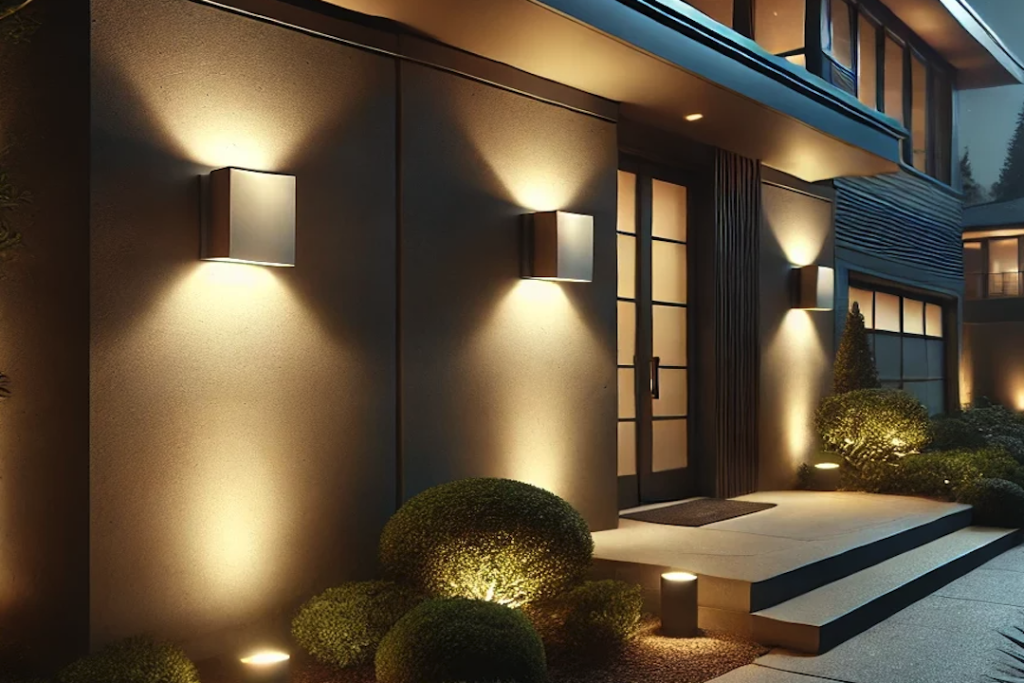
Industrial outdoor wall lamps offer a blend of functionality and aesthetics for modern backyard environments. This article explores their characteristics, installation considerations, and design integration, providing practical information for homeowners.
Industrial outdoor wall lamps are characterized by their robust construction and utilitarian aesthetic. Originating from the functional lighting 1homedesign requirements of factories, warehouses, and other industrial settings, these fixtures prioritize durability and efficient illumination. Their design often features raw materials like metal, glass, and sometimes wood, with exposed hardware and a no-frills appearance. In the context of modern backyards, industrial lighting serves to provide focused task lighting, ambient illumination, and a distinctive visual element that complements contemporary architectural styles.
The appeal of industrial design in outdoor spaces lies in its contrast and authenticity. While modern backyard design often emphasizes sleek lines and minimalist forms, industrial elements introduce a layer of ruggedness and historical depth. These lamps act as functional sculptures, offering both light and an aesthetic statement. Their materiality and form evoke a sense of permanence and purpose, aligning with the desire for durable and low-maintenance outdoor solutions.
Characteristics of Industrial Outdoor Wall Lamps
Understanding the core characteristics of industrial outdoor wall lamps is crucial for selecting appropriate fixtures. These attributes define their appearance, performance, and suitability for various outdoor applications.
Materiality and Finish
Industrial lighting typically employs materials known for their strength and weather resistance. Common choices include:
- Metals: Steel, aluminum, and cast iron are frequently used.
- Finishes: Black, bronze, antique brass, and galvanized finishes are prevalent. These often feature a matte or distressed appearance, contributing to the aged, utilitarian aesthetic. Some fixtures may have a powder-coated finish for enhanced corrosion protection.
- Glass: Common types include clear, frosted, or seeded glass, often enclosed within a protective cage or frame. This housing adds to the industrial aesthetic and provides lamp protection.
Form and Construction
The forms of industrial outdoor wall lamps are dictated by their function. They often feature:
- Simple Geometric Shapes: Cylinders, squares, and domes are common.
- Exposed Hardware: Screws, nuts, and conduits are often visible, emphasizing the construction.
- Protective Cages: These are a hallmark of industrial design, protecting the bulb and reinforcing the rugged aesthetic.
- Articulated Arms: Some models include adjustable arms or swivel heads, allowing for directed illumination.
Ingress Protection (IP) Rating
The IP rating is critical for any outdoor electrical fixture. It indicates the degree of protection against solids (dust) and liquids (water). For outdoor wall lamps, an IP rating of IP44 or higher is generally recommended. This signifies protection against solid objects larger than 1mm and splashing water from any direction. For areas exposed to direct rain or sprinklers, a higher rating, such as IP65, offering protection against powerful water jets, may be necessary. Selecting fixtures with appropriate IP ratings ensures safety and longevity in outdoor conditions.
Installation Considerations
Proper installation is paramount for the safety, functionality, and longevity of outdoor lighting. Several factors require attention during the planning and execution phases.
Mounting Location and Height
The placement of industrial outdoor wall lamps influences both light distribution and aesthetic impact.
- Near Entryways: For general illumination at doors, fixtures should typically be mounted above eye level, often at around 6 feet to 6 feet 6 inches from the ground, or roughly two-thirds of the height of the doorway. This prevents glare and casts light downward.
- Along Pathways: When illuminating pathways, multiple fixtures spaced evenly can provide consistent light. Mounting height should consider the spread of light needed and the desired aesthetic. Over-illumination can be as detrimental as under-illumination.
- Architectural Features: Highlighting architectural elements requires strategic placement. Consider how light will interact with textures and forms on your wall. Grazing light can emphasize rough surfaces, while more direct light can accentuate specific details.
Electrical Requirements and Wiring
Outdoor lighting installations require adherence to electrical codes and safety standards.
- Dedicated Circuits: For extensive outdoor lighting, a dedicated circuit may be necessary to prevent overloading.
- Weatherproof Junction Boxes: All electrical connections must be housed in weather-rated junction boxes to protect against moisture ingress.
- Conduit: Wiring should be protected by appropriate conduit, especially in exposed locations or where physical damage is possible.
- Ground Fault Circuit Interrupter (GFCI): Outdoor outlets and lighting circuits should be protected by GFCIs to prevent electrical shock. It is recommended to consult a licensed electrician for outdoor wiring, ensuring compliance with local codes and safety regulations.
Dimming Capabilities and Controls
Integrating dimming capabilities offers flexibility in adjusting the ambiance and energy consumption.
- Dimmer Switches: Compatible dimmers allow for varying light intensities, from bright task lighting to subtle accent illumination.
- Smart Home Integration: Modern systems allow for remote control, scheduling, and integration with other smart home devices. This can enhance convenience and energy efficiency.
- Photocells and Motion Sensors: These can automate lighting, turning fixtures on at dusk or when motion is detected, contributing to both security and energy savings.
Design Integration in Modern Backyards
Integrating industrial outdoor wall lamps requires a thoughtful approach to ensure they complement the existing design language of your modern backyard.
Complementary Styles
Industrial lighting pairs well with several contemporary design styles:
- Modern Minimalist: The clean lines and raw materials of industrial lamps can create a striking contrast against minimalist concrete or wood surfaces, adding an element of robustness without clutter.
- Urban Loft: For backyards that lean into an urban or loft aesthetic, industrial lighting is a natural fit, reinforcing the city-dwelling character.
- Transitional: These fixtures can bridge the gap between traditional and contemporary elements, offering a grounded, authentic feel.
Creating Contrast and Focal Points
Industrial lamps can serve as visual anchors in your outdoor design.
- Material Contrast: Place a metal industrial lamp against a smooth, light-colored wall (e.g., stucco or cedar) to highlight the material difference. The starkness of the metal will draw the eye.
- Highlighting Features: Use a series of industrial lights to define a particular pathway or border a seating area, drawing attention to these zones. A single, well-placed fixture can also act as a sculptural element near a unique water feature or planting. The lamp becomes a punctuation mark in the visual sentence of your backyard.
Paired Landscaping Elements
The surrounding landscape can either enhance or detract from the industrial aesthetic.
- Architectural Plants: Plants with strong architectural forms, such as agave, yucca, or various grasses, complement the structured nature of industrial fixtures. Their clean lines echo the lamp’s utilitarian design.
- Hardscaping Materials: Concrete, gravel, corten steel, or natural stone create a cohesive backdrop for industrial lights. These materials share the rugged, unpolished quality inherent in industrial design. Avoid overly ornate or delicate planting schemes, which might conflict with the lamp’s character. Instead, opt for simplicity and structure in your botanical choices.
Energy Efficiency and Maintenance
Selecting energy-efficient options and understanding maintenance requirements contribute to the long-term viability of your outdoor lighting system.
LED Technology
Light Emitting Diodes (LEDs) are the preferred choice for outdoor industrial lighting due to their numerous advantages.
- Longevity: LEDs have significantly longer lifespans compared to incandescent or halogen bulbs, reducing the frequency of bulb replacement.
- Energy Efficiency: They consume considerably less power, leading to lower electricity bills.
- Durability: LEDs are more resistant to vibrations and temperature fluctuations, making them suitable for outdoor conditions.
- Directional Light: Many LEDs emit light directionally, minimizing light pollution and maximizing useful illumination.
- Color Temperature: LEDs are available in various color temperatures (measured in Kelvin). Warmer temperatures (2700K-3000K) create a welcoming ambiance, while cooler temperatures (4000K-5000K) offer brighter, more task-oriented light. Choose a color temperature that aligns with the intended mood and function of your outdoor space.
Cleaning and Care
Regular maintenance ensures optimal performance and appearance.
- Routine Cleaning: Dust, dirt, and environmental debris can accumulate on fixtures. Wipe down the lamps with a damp cloth periodically. For glass components, use a non-abrasive cleaner to maintain clarity.
- Hardware Inspection: Periodically check screws, nuts, and mounting hardware for tightness. Exposure to the elements can cause expansion and contraction, potentially loosening components.
- Corrosion Management: While many industrial fixtures are designed for weather resistance, surface rust or corrosion can still occur, especially in coastal areas or highly exposed locations. Address minor corrosion promptly with appropriate rust removal products or protective coatings. For galvanized finishes, white rust can form, which is typically aesthetic and not detrimental to the integrity of the lamp. Polished metal fixtures may require specific polishing agents to maintain their luster.
Troubleshooting Common Issues
Addressing common problems can prevent more significant issues.
- Flickering Lights: This could indicate a loose connection, a faulty bulb, or an incompatible dimmer switch. Check connections first, then replace the bulb, and finally, verify dimmer compatibility.
- Non-functional Light: Ensure the power supply is active, check the bulb, and inspect wiring for any disconnections or damage. A blown fuse or tripped circuit breaker could also be responsible.
- Water Intrusion: If water is found inside a fixture, immediately disconnect the power. This indicates a breach in weather sealing or an incorrect IP rating for the exposure. The fixture may need resealing or replacement.
Advancements and Future Trends
The field of outdoor lighting, including industrial styles, continues to evolve. Staying aware of these advancements can inform future upgrades and selections.
Smart Lighting Systems
The integration of smart technology is transforming outdoor illumination.
- Dynamic Control: Beyond simple dimming, smart systems enable color-changing capabilities, allowing you to alter the ambiance to match specific events or moods.
- Zoning and Scheduling: Create lighting zones for different areas of your backyard, and schedule lights to turn on/off at specific times or in response to environmental conditions (e.g., sunset/sunrise).
- Integration with Voice Assistants: Control your outdoor lighting through voice commands, adding a layer of convenience to your modern backyard.
Sustainable Materials and Manufacturing
A growing emphasis on environmental responsibility is influencing product development.
- Recycled Content: Manufacturers are increasingly using recycled metals and other materials in their fixtures.
- Sustainable Sourcing: Attention is paid to the origin of raw materials, ensuring they are ethically and sustainably sourced.
- Energy-Efficient Manufacturing: Production processes are being optimized to reduce energy consumption and waste. When choosing industrial lamps, consider brands that highlight their commitment to sustainability.
Customization and Bespoke Options
While industrial design often prioritizes uniformity, there is a growing demand for unique, customized pieces.
- Modular Designs: Some manufacturers offer modular components that allow for a degree of customization in terms of arm length, shade type, and mounting options.
- Artisan Craftsmanship: Smaller workshops and artisans are creating bespoke industrial lighting, providing unique pieces that can become signature elements in a backyard design. These custom options can offer a specific finish or a unique adaptation of a classic industrial form, ensuring your outdoor lighting is truly distinctive.
Industrial outdoor wall lamps offer a pragmatic yet aesthetically potent solution for illuminating modern backyards. By considering material durability, appropriate installation, seamless design integration, and embracing energy-efficient practices, you can effectively enhance your outdoor living experience. These fixtures are not merely sources of light; they are robust declarations of style, casting both illumination and character upon your contemporary environment.


More Posts
Upgrade Your Bathroom with a Stylish Vanity Ceiling Light
Enhance Your Outdoor Space with a Covered Patio Pendant
Streamlined Vertical Floor Lamps for Minimalist Spaces